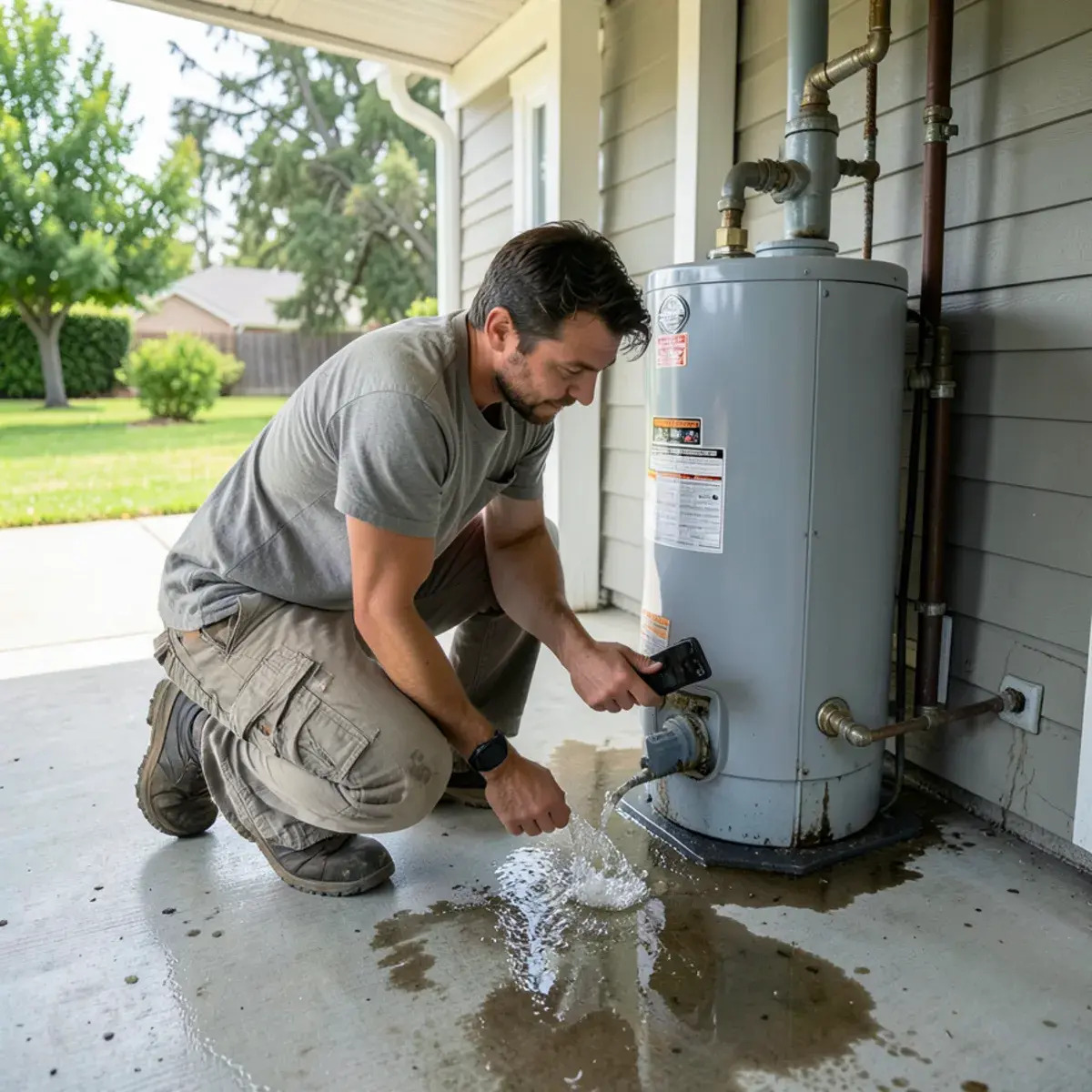
When a water heater fails, the damage to floors, drywall, and belongings can dwarf the cost of the unit itself. So the natural question is: will homeowners insurance pay for it? The answer is a frustrating "sometimes" — and the distinction comes down to what failed and why. Here's how coverage typically works and how to protect your claim.
The Key Distinction: The Unit vs. the Damage
Most homeowners policies do not cover the water heater itself when it simply wears out — that's considered maintenance, like replacing any aging appliance. What they often do cover is the sudden and accidental water damage the failure causes: the soaked flooring, the ruined drywall, the damaged contents. In other words, the tank is on you; the flood it caused may be covered.
Sudden vs. Gradual
Insurers draw a hard line between sudden and gradual damage. A tank that bursts and floods your garage is a sudden event many policies cover. A slow leak that quietly rotted a subfloor over months is usually deemed gradual — the result of a maintenance issue — and is frequently denied. This is exactly why catching a leak early matters, and why annual maintenance is more than just life extension.
What's Typically Excluded
Beyond gradual damage, claims can be denied for neglect (no maintenance records), or when work was done without a permit. An unpermitted DIY install that fails can give an insurer grounds to question the claim — one more reason to use a licensed installer who pulls the permit.
How to Protect Your Claim
- Maintain it and keep records. Documented flushes and inspections counter a "neglect" argument.
- Permit your installs. A clean permit and inspection record supports your claim.
- Act fast on leaks. Mitigating damage quickly (and a prompt emergency response) shows you limited the loss.
- Document the failure. Photograph the unit and damage before cleanup and before disposal.
- Read your policy. Coverage varies; know your deductible and what your specific policy includes.
We're not insurance advisors, and every policy differs — always confirm specifics with your insurer. What we can do is install and maintain your unit correctly, with the permits and records that keep you on solid footing. For repair after a leak, see our leak repair service.
If You Need to File a Claim: A Quick Checklist
If a water heater failure does cause covered damage, how you handle the first hour shapes the claim. Work through this:
- Stop the damage. Shut off the unit's power and water, and your home's main if needed — mitigating loss is something insurers expect.
- Document before you clean up. Photograph and video the failed unit and all water damage from multiple angles before moving anything or starting cleanup.
- Keep the old unit. Don't let it be hauled away until your insurer says it's fine — adjusters may want to inspect it.
- Gather records. Pull your maintenance history and the install permit; both counter a "neglect" or "unpermitted work" denial.
- Get a professional assessment. A licensed plumber's written diagnosis of what failed and why supports the "sudden and accidental" framing.
We're not insurance advisors and every policy differs, but we can provide the prompt emergency response, documentation, and permitted repair that keep you on solid footing.
Hidden leaks under the foundation raise their own insurance questions; see signs of a slab leak.
Frequently Asked Questions
Does homeowners insurance cover a water heater?
Most policies don't cover the water heater itself when it fails from age or wear, treating that as maintenance. However, many policies do cover the sudden, accidental water damage the failure causes, such as ruined flooring and drywall.
Why might a water heater claim be denied?
Claims are commonly denied for gradual damage (a slow leak over time), neglect or lack of maintenance records, or work done without a required permit. Insurers distinguish sharply between sudden accidents and long-term wear.
How can I improve my chances of a covered claim?
Keep maintenance records, ensure installations are permitted and inspected, act quickly to mitigate any leak, document the failure with photos before disposal, and review your specific policy's coverage and deductible.
Is a slow water heater leak covered by insurance?
Often not. A slow leak that causes damage over weeks or months is typically classified as gradual damage from a maintenance issue, which many policies exclude. Sudden bursts are more likely to be covered.
Need help from a licensed Brentwood plumber?
We provide free on-site assessments and upfront quotes — and we pull the permit and handle the city inspection for you.